

Why the topic affects every company
Sexual harassment in the workplace is not a marginal issue - it is a serious labour law and organisational risk. Employers are not only morally but also legally obliged to protect their employees against it.
Sexual harassment occurs in all sectors and hierarchical levels
According to surveys by the Institute for Employment Research (IAB), around 20% of employees report that they have experienced sexual harassment themselves or in their working environment. The difference by gender is particularly clear: 24% of women and 15% of men report such incidents.
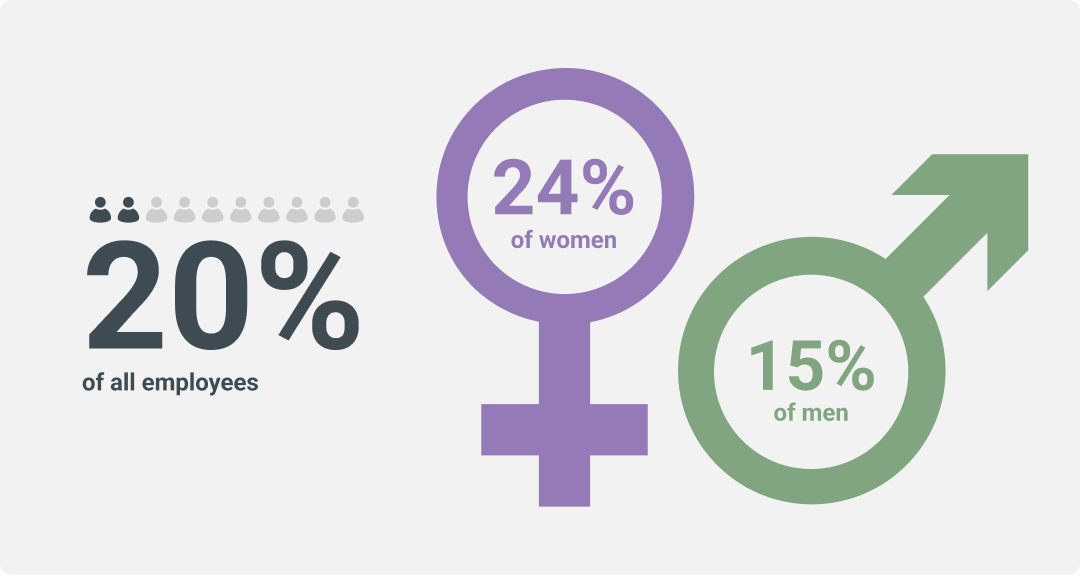
This shows: Any company can be affected - whether it's an office, workshop, care facility, public authority or retail outlet. Sexual harassment can happen between colleagues, between managers and employees, but also by customers or external partners.
Serious consequences for those affected, the team and the company
For those affected, sexual harassment means stress, anxiety and health problems. For companies, it leads to conflicts within the team, risks of absenteeism and productivity as well as potential legal consequences.
Legal basis: What employers need to know
In Germany, the duty to protect against sexual harassment arises in particular from
-
the General Equal Treatment Act (AGG) and
-
the duty of care under labour law.
Employers must ensure that employees are not harassed or discriminated against - and react appropriately if incidents become known

The central obligations for employers
Prevention, information, training
Employers are obliged to actively prevent sexual harassment in the workplace. Prevention involves more than formal guidelines.
Prevention includes, among other things
-
clearly communicated rules of behaviour
-
a clear stance against sexual harassment
-
regular information and training for employees and managers
It is crucial that employees know what is considered sexual harassment, where the boundaries are and how they can act in an emergency. Training is a key component of this: it creates a common understanding of the term, provides orientation and strengthens confidence to act - for employees and managers.
Reporting channels and contact persons
Employers must ensure that:
-
Those affected can report incidents at a low threshold,
-
reports are treated confidentially,
-
whistleblowers do not suffer any disadvantages,
-
it is clear who is responsible and how the procedure works.
Missing or unclear reporting channels weaken prevention and trust.
Acting in an emergency
If an incident is reported or becomes known, there is a duty to act. Employers must investigate the facts, protect those affected and take appropriate measures (including consequences under labour law).
Failure to act can lead to legal consequences.
Risks in the event of breaches of duty
If employers fail to take appropriate measures, there is a risk of
-
Claims for compensation and damages,
-
labour law conflicts,
-
reputational damage,
-
loss of trust in the company.
Prevention is therefore not only a duty, but also makes economic sense.
Conclusion
Sexual harassment in the workplace requires clear responsibility. Employers who provide preventative information, effective training, create safe reporting channels and act consistently increase protection and legal certainty - and strengthen culture and cooperation.